

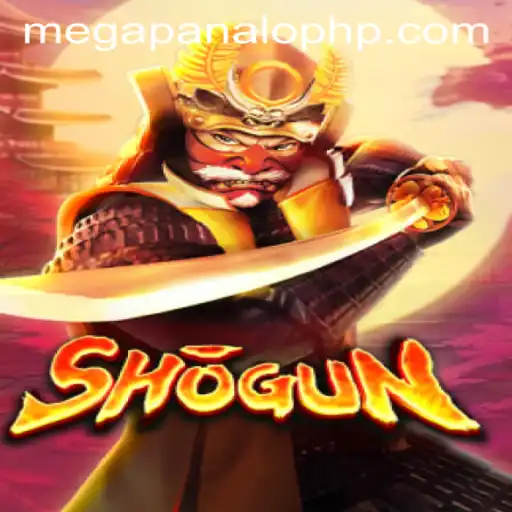

Explore the captivating world of Shogun, coupled with the excitement of Mega Panalo.
Shogun: A Journey Through Strategy and Skill
Introduction to Shogun
The world of board games has always been rich with strategic depth, but few games capture the essence of tactical warfare quite like 'Shogun'. This game invites players into a world inspired by the feudal period of Japanese history, a realm where tactical acumen and resource management define success. As players vie for dominance, aligning themselves with the strategic prowess required to reign supreme, Shogun offers a unique kind of immersive experience that few other board games can parallel.
Combining this historical backdrop with the exhilaration of Mega Panalo, the newest theme amplifying the excitement of game-winning streaks, Shogun promises both engaging gameplay and rewarding strategies. With recent global events sparking a rise in board game popularity, Shogun is re-entering the spotlight as families and competitive game night aficionados seek both entertainment and intellectual challenge.
The Essence of Shogun: Gameplay and Rules
Embracing the multifaceted layers of leadership, Shogun challenges players to assume the roles of daimyos, powerful Japanese feudal lords. Tasked with expanding their territories and consolidating power across Japan, players must manage a variety of resources: armies, rice, gold, and political influence. As a large-scale strategy game, each player’s decision influences not only their progress, but also the dynamics of the overarching game narrative.
Central to Shogun’s rule-set is the innovative cube tower, an elegant yet unpredictable mechanic that simulates the chaotic nature of warfare. Instead of conventional dice rolls, cubes representing armies are thrown into the tower. Based on the cubes that emerge, players assess battle outcomes, adding an element of suspense and real-time strategy to each engagement.
Starting the Game
Players start by choosing individual daimyo goals, each with distinct strengths and areas within Japan to control. Strategic deployment of units, careful management of resources, and clever manipulation of alliances form the crux of thriving in Shogun. The game is divided into seasons, each demanding strategic alterations as seasons impact resource availability and political opportunities.
Incorporating Mega Panalo
The introduction of Mega Panalo adds a thrilling dimension to Shogun. With every battle and strategic maneuver promises mega rewards, elevating the stakes with periodic bonuses for achieving specific milestones and victories. This overlay aligns with contemporary trends where games incorporate reward systems that engage players longer and heighten the thrill of success.
Key Strategies for Dominance
Mastery over Shogun necessitates a delicate balance among aggression and resource management, territorial expansion, and diplomatic negotiations. Players must judiciously decide when to adopt a defensive posture or when to strike for rapid territorial advantage. Mega Panalo dovetails with this as players are incentivized to take calculated risks for mega rewards. Building sustainable alliances can turn the tide of engagements, yet betrayals are an ever-present specter, testing both strategies and alliances.
The Rich Tapestry of Experience
The game, while deeply tactical, is also rich in cultural and historical subtext, imparting lessons on the dynamics of power and war. With sessions ranging from 2-3 hours, Shogun demands commitment and a fierce competitive spirit. The Mega Panalo encourages players to intensely engage with each play through added layers of incentives and gratification.
Intensifying family boards and competitive game nights, Shogun alongside Mega Panalo, provides a space where the thrill of conquest is rivaled only by the sweet taste of victory. This pairing is a masterstroke in game design and thematic relevance, offering not just a game, but a genuine historical and strategic simulator that captivates its players.
Current Events and Global Reach
In recent months, the growing need for engaging indoor activities has shifted societal focus back to board games. Global events have reintroduced the notion of game nights as a meaningful alternative to digital overconsumption. Shogun, enhanced by the Mega Panalo twist, serves not only as entertainment but as an educational tool, enriching players with the strategic and historical prowess few games can command.
The renewed embrace of tabletop games like Shogun highlights a cultural shift towards prioritizing deeper, more meaningful interactions in gaming contexts. The dynamic gameplay and historical intrigue serve as a microcosm of larger societal shifts towards strategy, reflection, and the pursuit of collective enjoyment in uncertain times.